The Role of Probability in Decision Making
Understanding probability is crucial for anyone looking to develop successful strategies in casino gaming. Gamblers often base their decisions on how they perceive the odds, which can significantly influence their gaming behavior. The psychological aspect comes into play when players overestimate their chances of winning, leading them to take risks that might not align with actual probabilities. In fact, considering the best offshore casinos can help players understand the odds better and make informed choices.
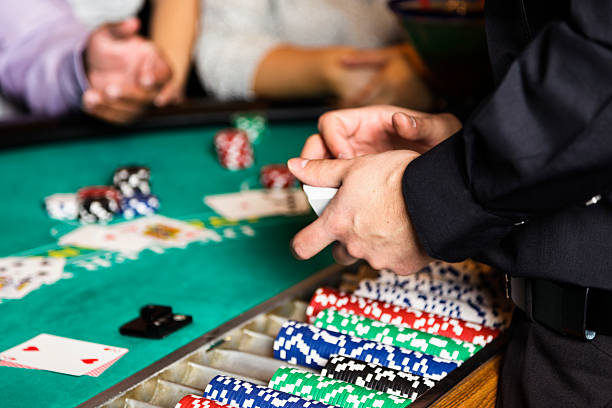
This influence of probability on decision-making can create a false sense of security. Players who believe they can outsmart the games may engage in strategies that overlook mathematical realities. This misjudgment is rooted deeply in cognitive biases, which can be detrimental in a casino setting where the house always holds an edge.
The Impact of Emotions on Gambling Choices
Emotions play a pivotal role in gambling, often driving decisions more than logical reasoning. For many, the excitement of winning can trigger a rush of adrenaline, making it easy to forget about strategic considerations. Conversely, fear of loss can lead to impulsive betting behaviors and chasing losses, resulting in detrimental financial decisions.
Understanding emotional triggers is vital for gamblers who wish to refine their strategies. Acknowledging the link between emotions and their gambling outcomes can help players become more aware of their actions and better control their responses, ultimately fostering a more strategic approach to betting and game selection.
The Influence of Cognitive Biases in Casino Strategy
Cognitive biases significantly shape how players interpret outcomes in a casino. For example, the gambler’s fallacy leads individuals to believe that past events can influence future ones in games of chance. This faulty logic can affect strategy, as players may alter their bets based on perceived patterns instead of recognizing the independent nature of each game round.
By recognizing these cognitive biases, gamblers can develop more rational strategies. Educating oneself about these psychological traps can lead to more objective decision-making, helping players to minimize losses and maximize their chances of success when engaging in gaming activities.
The Social Dynamics of Casino Environments
The social aspect of gambling in casinos is often overlooked but can significantly affect strategic choices. Interacting with other players can create a communal environment that influences decisions, whether through shared tips or competitive dynamics. The social atmosphere may lead to riskier behaviors as individuals try to impress others or fit into a group mentality.
Being aware of these social dynamics can enhance a player’s approach to strategy. Those who can maintain focus and not succumb to peer pressure may find greater success by sticking to their planned strategies and making decisions based on analysis rather than social influence.

Conclusion: The Importance of Safety in Gambling Strategies
Understanding the psychology behind successful casino strategies not only enhances gameplay but also emphasizes the importance of safety in the gambling environment. Players should prioritize responsible gambling practices, ensuring that their strategies do not lead to detrimental spending or emotional distress.
As the landscape of gambling continues to evolve, website resources that provide essential safety news and updates can help players navigate the complexities of casino gaming. Staying informed about potential risks and best practices is crucial for fostering a safe and enjoyable gambling experience.